
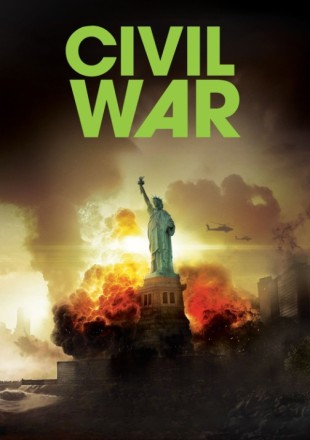
Civil War Dual Audio HDRip (2024) – Complete Review – WorldFree4u
The world of cinema has always fascinated us with its ability to transport us to different realities, often exploring themes of conflict, survival, and resilience. “Civil War,” the 2024 film directed by Alex Garland, presents a gripping look at a dystopian future America, where a team of military-embedded journalists races against time to reach Washington, D.C., just as rebel factions threaten the nation’s capital.
In this review, we will break down the film’s plot, direction, performances, technical aspects, and overall impact, offering a comprehensive take on its strengths and weaknesses. With a mix of action, adventure, and thriller elements, “Civil War” brings an intense cinematic experience, but does it live up to expectations? Let’s dive in.
Plot Overview
Set in a not-so-distant future, “Civil War” opens with the United States teetering on the edge of collapse. The country is embroiled in a civil conflict, where rebel factions from various regions have risen against the government. The White House is the central target of these insurgents, and the American government is on the brink of losing control.
The story follows a group of military-embedded journalists, led by seasoned journalist Lucy Harris (played by Kirsten Dunst), who are dispatched to cover the war and provide updates to the world. Their mission is to travel through the war-torn landscape of America and reach Washington, D.C., before the rebels can launch their attack on the White House.
As they traverse this dystopian America, the group faces constant danger, not just from the rebel forces but also from the unforgiving environment. The journalists are forced to confront their own moral dilemmas, the ethics of reporting amidst chaos, and the blurred line between their role as neutral observers and active participants in the unfolding conflict.
At the heart of the story is the sense of urgency, as time is running out, and the fate of the nation hangs in the balance. The journalists must overcome external threats and their internal fears to fulfill their mission.
Direction by Alex Garland
Alex Garland, known for his thought-provoking and visually striking films such as “Ex Machina” (2014) and “Annihilation” (2018), brings his signature style to “Civil War.” Garland’s direction effectively combines suspense, political intrigue, and human drama, creating a gripping narrative that keeps the audience on edge.
The dystopian setting is masterfully crafted, with Garland’s ability to create an atmosphere that feels both familiar and alien. The landscapes, from decimated urban centers to barren rural areas, reflect the political chaos of the time. The camera work is often tight and claustrophobic, emphasizing the tense, high-stakes nature of the journalists’ mission.
What sets Garland apart in “Civil War” is his ability to blend action with introspection. The film is not just a series of explosions and gunfights; it also focuses on the emotional weight of the journey, highlighting the personal stakes of each character. Garland’s subtle exploration of themes like the morality of war, the cost of truth, and the role of journalism in times of crisis adds depth to the story.
Performance by the Cast
Kirsten Dunst as Lucy Harris
Kirsten Dunst delivers a compelling performance as Lucy Harris, a veteran journalist who has seen the brutality of war up close but is still grappling with the moral complexity of her profession. Dunst brings a quiet intensity to the role, balancing vulnerability and strength as she navigates through the war-ravaged America. Her character’s internal conflict – torn between her duty to report the truth and the danger of becoming too personally involved – forms the emotional core of the film.
Dunst’s ability to convey both the emotional weight and the stoicism of a war correspondent is one of the film’s highlights. She also manages to create chemistry with her co-stars, particularly with John, played by Wagner Moura, making their partnership one of the central emotional anchors of the movie.
Wagner Moura as John
Wagner Moura, known for his role as Pablo Escobar in Narcos, takes on the character of John, a former soldier turned journalist who serves as Lucy’s mentor and guide. Moura brings depth to the role with his nuanced portrayal of a man who is haunted by the violence of his past. His experience and tactical knowledge make him a valuable asset to the team, but his emotional baggage adds layers to his character.
Moura’s portrayal of John is subtle yet impactful. He’s not just the action hero; he’s a man wrestling with the ethics of war journalism and his role in a conflict he’s trying to escape. His chemistry with Dunst enhances the emotional stakes of the journey, making their relationship feel genuine and grounded.
Cailee Spaeny as Emma
Cailee Spaeny plays Emma, a young, idealistic journalist who joins the mission in hopes of making a difference. Spaeny’s portrayal of Emma adds a sense of youthful optimism to the otherwise somber tone of the film. However, as the journey progresses, Emma is forced to confront the grim reality of war and the toll it takes on both the body and the mind. Spaeny’s performance is a mix of vulnerability and resilience, showing the evolution of her character in response to the unfolding events.
Supporting Cast
The supporting cast plays an integral role in fleshing out the world of Civil War. Each character, from soldiers to civilians, adds to the richness of the narrative. While they may not have as much screen time, their contributions help highlight the larger themes of the film, particularly the human cost of war and the different perspectives on the conflict.
Technical Aspects
Cinematography and Visuals
The cinematography in “Civil War” is breathtaking. Garland’s decision to use both wide shots of the desolate American landscape and intimate, close-up shots of the characters creates a striking contrast that emphasizes the scale of the war versus the personal struggles of the individuals involved. The film’s visual aesthetic is one of desolation and decay, perfectly capturing the chaos and hopelessness that permeates the narrative.
The use of HDRip enhances the film’s visuals, providing a more immersive experience. The colors are rich and vivid, with the HDR format bringing out the details in both the darker, more oppressive scenes and the brighter, more action-packed moments. The attention to detail in every shot reinforces the sense of a world falling apart.
Sound Design and Music
The sound design is another standout aspect of Civil War. The film uses sound to build tension, with the distant rumblings of war juxtaposed against the quiet moments of reflection. The soundtrack, composed by Ben Salisbury and Geoff Barrow, complements the tone of the film perfectly. It’s atmospheric and minimalist, heightening the sense of urgency and emotional depth without overwhelming the narrative.
The action sequences are punctuated by booming sound effects, while quieter moments are underscored by a subtle score that evokes the uncertainty and isolation of the journey. The combination of these elements ensures that the audience is constantly drawn into the emotional landscape of the film.
Editing and Pacing
The pacing of Civil War is expertly handled. The film never lingers too long in any one location, keeping the narrative moving forward at a steady pace. The editing is sharp, with quick cuts during the action scenes and longer takes during the quieter, more reflective moments. This balance ensures that the film doesn’t feel rushed but still maintains the tension necessary to keep the audience engaged.
Garland’s direction ensures that the film is both thrilling and thought-provoking, creating a constant push-pull between action and introspection. The pacing works well for the most part, though there are moments when the quieter scenes may feel drawn-out for some viewers.
Themes and Social Commentary
At its core, Civil War is a film about the complexities of war, the role of the media, and the moral decisions that individuals must make in the face of overwhelming chaos. The film explores the blurred lines between being a neutral observer and becoming an active participant in a conflict. Lucy’s struggle to maintain her objectivity as a journalist is a central theme, highlighting the ethical dilemmas that arise when covering a war that is so close to home.
The film also delves into the psychological toll of war, both on the soldiers fighting and the journalists reporting on it. As the characters journey through the crumbling landscape of America, they come to terms with their own personal demons and the moral compromises they’ve made in their careers.
The film doesn’t shy away from the harsh realities of war, depicting both the physical and emotional scars that people carry. It serves as a commentary on the cost of conflict, not just in terms of lives lost but in the erosion of ideals and values that comes with prolonged violence.
Conclusion
Civil War (2024) is a masterfully crafted film that blends action, adventure, and thriller elements with a deeper, more introspective narrative about the costs of war and the role of journalism in conflict. Director Alex Garland’s signature style shines through, delivering a tense, thought-provoking experience that challenges the audience to reflect on the nature of war and the ethical dilemmas faced by those who document it.
The strong performances from Kirsten Dunst, Wagner Moura, and Cailee Spaeny elevate the film, making it more than just an action-packed thriller. The technical aspects, from the cinematography to the sound design, further enhance the immersive experience.
With its compelling story, complex characters, and stunning visuals, Civil War is a film that stays with you long after the credits roll. Whether you’re a fan of action-packed thrillers or thought-provoking dramas, Civil War offers something for everyone. It’s a bold, emotional journey through a dystopian future that feels all too plausible, leaving viewers to ponder the true cost of conflict.
Related Article

Glaadvoice Com: Complete Guide to the LGBTQ+ Media Platform

Kaliyugam Pattanamlo Telugu Movie Download CAMRip (2024) – Complete Review – WorldFree4u
