
Getting Rid of Stubborn Nail Fungus: Effective Treatments and Prevention Tips
Nail fungus is a common condition that affects millions of people and can be frustrating to treat. Unlike some skin infections that improve quickly, fungal infections in the nails often develop slowly and may require months of consistent care before noticeable improvement occurs.
Stubborn nail fungus can cause changes in the appearance, texture, and strength of the nails. Fortunately, modern treatments and proper nail care strategies can help manage infections and restore healthier-looking nails.
What Is Nail Fungus?
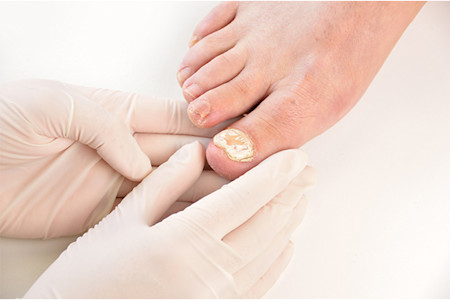
Nail fungus, also known as onychomycosis, is a fungal infection that affects the fingernails or toenails. It occurs when fungi grow beneath the nail surface, causing gradual damage.
The infection often begins with small changes and may become more noticeable over time.
Common signs of nail fungus include:
- Yellow or white nail discoloration
- Thickened nails
- Brittle or cracked nails
- Changes in nail shape
- A rough or uneven nail surface
- Separation of the nail from the nail bed
Toenails are more commonly affected because fungi grow well in warm, moist environments, such as inside shoes.
What Causes Nail Fungus?
Several types of fungi can cause fungal nail treatment nail treatment, with dermatophytes being the most common. These organisms feed on keratin, the protein that makes up nails, skin, and hair.
Factors that increase the risk of nail fungus include:
Moist Environments
Fungi thrive in warm and damp areas. Frequent exposure to moisture can increase the chance of infection.
Examples include:
- Sweaty shoes
- Wet socks
- Public swimming pools
- Shared showers
Nail Injuries
Small injuries to the nail or surrounding skin can allow fungi to enter and begin growing.
Poor Nail Hygiene
Not keeping nails clean and dry can create conditions where fungi can multiply more easily.
Certain Health Conditions
Some conditions may increase the risk of nail fungus, including:
- Diabetes
- Circulation problems
- A weakened immune system
Why Is Nail Fungus Difficult to Treat?
Many people struggle with recurring nail fungus because nails grow slowly and the infection can be deep within the nail structure.
Challenges include:
- Treatments need time to work
- Fungi can survive beneath the nail
- Thick nails make medication penetration difficult
- Stopping treatment too early can cause recurrence
Successful treatment requires patience and consistency.
Modern Treatment Options for Nail Fungus
Today, several treatments can help eliminate fungal infections and improve nail health.
1. Prescription Antifungal Medications
For stubborn infections, doctors may recommend prescription antifungal treatments. These medications are designed to target fungal growth and improve the chances of clearing the infection.
Prescription options may include:
- Oral antifungal medications
- Prescription-strength topical treatments
Oral treatments are often considered more effective for severe infections because they work throughout the body and reach the nail from within.
2. Topical Antifungal Treatments
Topical medications are applied directly to the affected nail. They may be helpful for mild to moderate infections.
These treatments work by:
- Reducing fungal growth
- Preventing the infection from spreading
- Supporting healthier nail growth
Because nails are thick, topical treatments often require regular application for several months.
3. Laser Therapy
Laser treatment has become an increasingly popular option for nail fungus. It uses focused light energy to target fungi beneath the nail.
Potential benefits include:
- Minimal discomfort
- No need for daily medication
- Support for healthier nail growth
However, results can vary, and multiple sessions may be needed.
4. Nail Removal in Severe Cases
In rare situations where an infection is severe or painful, a healthcare provider may recommend removing part or all of the affected nail.
This allows medication to reach the infected area more effectively.
Home Care Tips to Support Nail Fungus Treatment
While medical treatments are important, proper nail care can improve results and reduce the chance of reinfection.
Keep Nails Clean and Dry
Moisture encourages fungal growth. Keeping feet and hands dry can create an environment that is less favorable for fungi.
Helpful habits include:
- Drying feet thoroughly after bathing
- Changing socks regularly
- Wearing breathable footwear
Trim Nails Properly
Regular nail trimming can help reduce pressure and remove damaged areas.
Tips:
- Cut nails straight across
- Avoid cutting too deeply
- Use clean nail tools
Avoid Sharing Nail Tools
Fungi can spread through contaminated items.
Avoid sharing:
- Nail clippers
- Files
- Scissors
Always disinfect personal nail tools regularly.
Choose Breathable Shoes
Tight shoes can trap moisture and heat, creating an ideal environment for fungi.
Consider:
- Wearing moisture-wicking socks
- Rotating shoes
- Allowing footwear to dry completely
Natural Remedies for Nail Fungus: Do They Work?
Many people try natural approaches to manage nail fungus. Some ingredients have antifungal properties in laboratory studies, but their effectiveness can vary.
Common natural remedies include:
- Tea tree oil
- Vinegar soaks
- Essential oils
While these options may provide some support, they often do not replace proven medical treatments, especially for stubborn infections.
How Long Does It Take to Get Rid of Nail Fungus?
Treating nail fungus requires patience because nails grow slowly.
Toenails may take:
- Several months to improve
- Up to a year or longer to fully grow out
The timeline depends on:
- Severity of infection
- Treatment method
- Nail growth rate
- Consistency of care
Even after the fungus is eliminated, the damaged nail must grow out completely.
How to Prevent Nail Fungus From Returning
Preventing reinfection is just as important as treating the original infection.
Follow these prevention strategies:
Maintain Good Foot Hygiene
Wash feet regularly and dry them completely.
Wear Protective Footwear
Use sandals or water shoes in shared wet areas like gyms, pools, and locker rooms.
Avoid Artificial Nails During Infection
Artificial nails and nail polish may trap moisture and make treatment more difficult.
Treat Foot Fungus Early
Athlete’s foot can spread to the nails. Treating skin infections quickly may reduce the risk of nail involvement.
When to See a Doctor
Professional advice is recommended if:
- The infection does not improve with home care
- Nails become painful
- The infection spreads
- You have diabetes or circulation issues
- Several nails are affected
A healthcare provider can confirm whether the problem is truly fungal and recommend the most effective treatment.
Final Thoughts
Getting rid of stubborn nail fungus requires a combination of the right treatment, consistent care, and prevention habits. While fungal nail infections can take time to resolve, modern antifungal medications, professional treatments, and proper nail hygiene can significantly improve results.
The key to success is early action and staying consistent with treatment. With patience and the right approach, healthier and clearer nails are possible.
Related Article

The Benefits of Regular Business Trip Massage Therapy for a Healthy Life
